
Alhambra City Directory Collections
Alhambra has two complementary directory shelves. The Civic Center Library holds nonconsecutive city directories from 1883-1964. The Historical Society holds Polk city directories from 1905-1964 and telephone directories from 1882-2011. Newspapers, yearbooks, census schedules, FamilySearch books, and federal archives fill different kinds of gaps. The table keeps the city directory runs distinct so a missing year is not mistaken for a missing household.
| Collection | Years | Where held | Access |
|---|---|---|---|
| Alhambra city directories | Nonconsecutive 1883-1964 | Civic Center Library | In library, Second Floor Help Desk |
| Polk city directories | 1905-1964 | Historical Society Museum | First and third Saturdays, 1-4, or appointment |
| Telephone directories | 1882-2011 | Historical Society | Museum or appointment |
| Post Advocate | Microfilm 1899-1992; morgue 1934-1964 | Library and Society | Onsite |
| School yearbooks | Exact runs vary by school | Library and Society | Onsite |
| Federal census | 1900-1950 public local households | NARA and partner sites | 72-year release rule |
Library service is at 101 S. First Street, with general information at 626-570-5008 and reference help at 626-570-3212. The Historical Society is at 1550 W. Alhambra Road, 626-300-8845, with free admission. Call before travel because the two city directory collections are not interchangeable and neither promises a complete annual run.
Alhambra Directory Shelf at the Library
The Civic Center Library's local-history desk is the first stop for Alhambra city directories, newspaper microfilm, and yearbooks. The directories are in-library only at the Second Floor Help Desk. That access rule makes a shelf note part of the source: record the volume year, publisher if shown, call number or location supplied by staff, and the exact page or entry details.
The library's microfilm covers the Alhambra Post Advocate from 1899-1992, the Los Angeles Times from 1972-1991, and the San Gabriel Valley Messenger from 1964-1974. A directory address can therefore be tested against a death notice, marriage announcement, sale, club item, legal notice, or business advertisement. Newspaper evidence is secondary, but it can explain why an entry changes.
The library's local-history collection page is the current access point. A directory entry still needs its year and page captured by the researcher in the reading room.
Polk Alhambra Directories and Phones
Polk volumes at the Historical Society run from 1905-1964. Telephone books extend from 1882-2011. Together they create a long address-name bridge, but they describe different publication systems. Polk entries may carry a residence and household detail. A telephone book may show a listed subscriber or address without proving who lived there.
The Society is open the first and third Saturday from 1-4 or by appointment. Its collection is useful when the library's nonconsecutive city directory years leave a gap. Search the same surname and address across both sets, and note whether the line is a household, business, institution, or unlisted number. The strongest local numbers story is the 1882-2011 telephone span.
The Historical Society's holdings page describes its Polk and telephone directory resources.
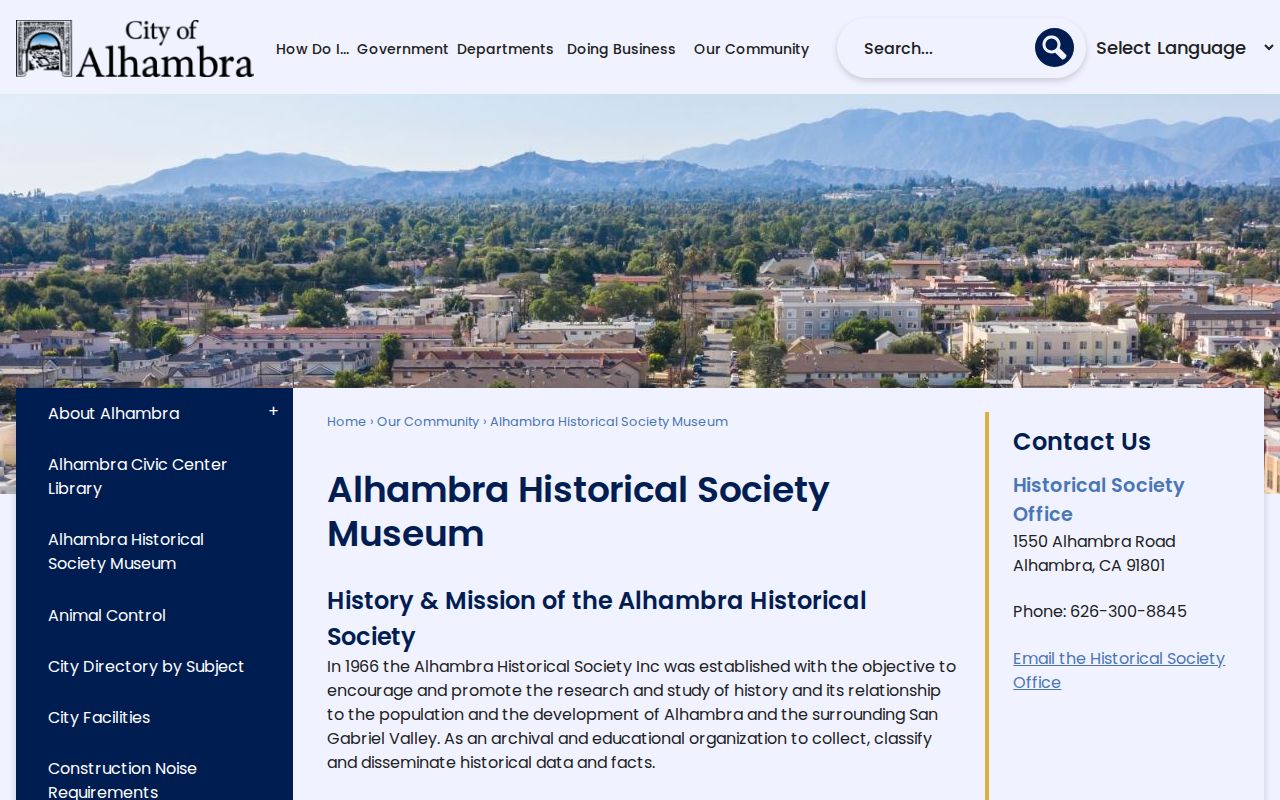
Telephone directories are a bridge, not a claim that every household had a listed number. Carry that distinction into the next census or newspaper comparison.
Alhambra Directory Gaps and Archive Bridges
When a city directory skips a year, the Post Advocate microfilm can supply a dated clue. For earlier land and household work, FamilySearch lists Los Angeles County homesteads from 1850-1921 with an index for 1878-1920 and mortgages from 1850-1901 with indexes to 1910. Access varies by account and image rights, so a catalog result is not the same as an immediately viewable page.
NARA Riverside and Perris holds census, land, naturalization, and federal-court records. Its naturalization guide documents a Los Angeles Superior Court index for 1852-1915 and related declarations and petitions. A naturalization file may add former nationality, arrival, residence, or witness information depending on the year and form.
The FamilySearch Los Angeles County catalog provides the land and mortgage lead.
The catalog view helps locate the record family, while the reading room or account rules determine what can actually be seen.
The NARA naturalization finding aid adds a federal archive bridge.
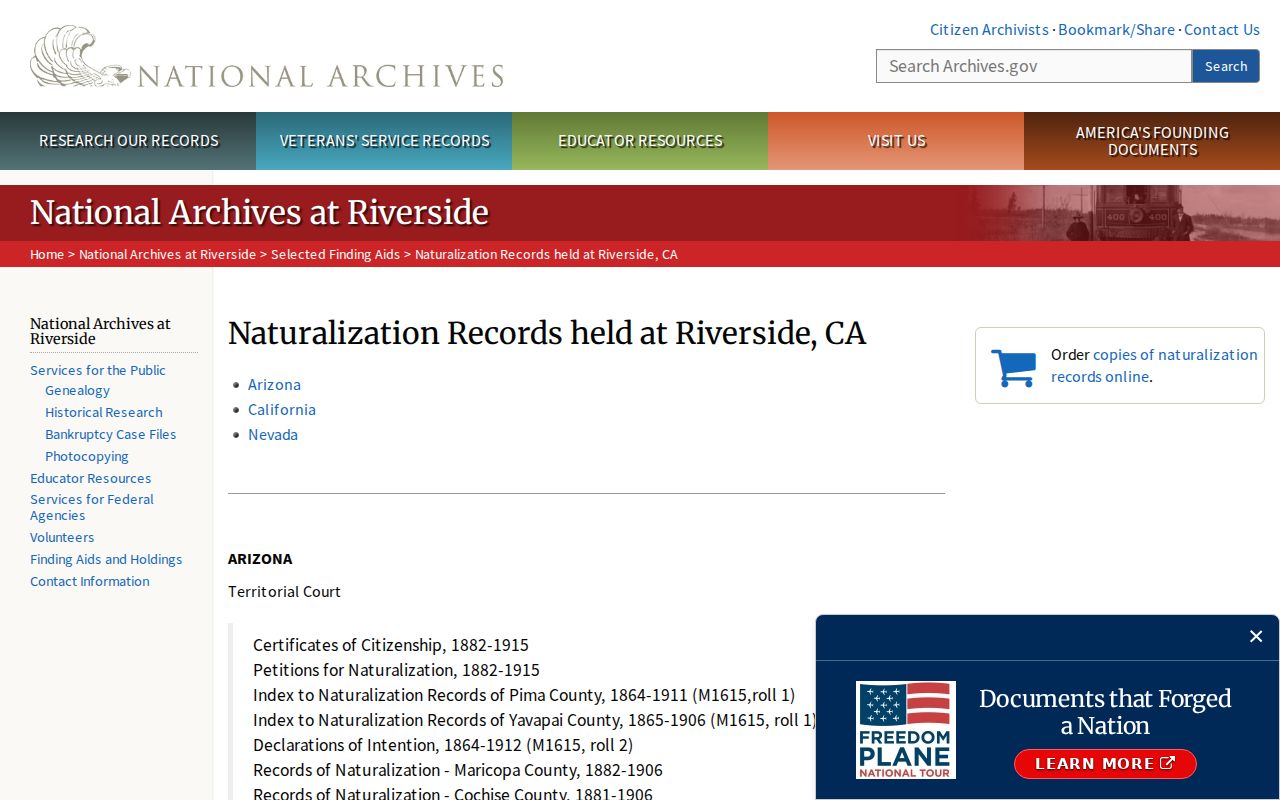
Federal archive material is especially helpful when a directory name needs an arrival, land, or naturalization anchor.
Alhambra Directory Entries and Census
A city directory is an index-like snapshot. Start with the surname and given name as printed. Copy the address exactly, then record the spouse or other household marker, occupation, employer wording, and any widow notation. If a reverse section is present in that volume, move from the address back to the name. Do not assume that every volume has the same sections or abbreviations.
| Entry detail | What it may establish | Check beside it |
|---|---|---|
| Name and spelling | How the publisher rendered the person | Variant spellings and middle initials |
| Residence | Published address for that year | Street form, unit, and neighboring entries |
| Spouse or widow marker | Household relationship clue | Census, obituary, or marriage record |
| Occupation | Distinguishing context | Business, license, or newspaper record |
| Reverse section | Address-to-occupant path if the volume has one | Actual volume contents, not assumption |
- Criss-cross directory
- An address-oriented directory that can work backward from a street to a listed person or subscriber.
- Householder index
- A name or address list centered on a household, not a guarantee that every resident appears.
- Abbreviation key
- The publisher's legend for occupation, marital, or address marks; capture it from the same volume.
No official digitized Alhambra volume exposed a sample entry or abbreviation key in the research capture. The honest method is to inspect the physical volume and label any interpretation with the exact year used.
Pair Alhambra Directory Years with Census
Directories and census schedules answer related but different questions. A directory is a publisher's annual or irregular snapshot. The federal census is an enumerator's household schedule released after the 72-year rule. Pairing the nearest years can distinguish an owner, boarder, adult child, or nearby namesake.
- Copy the directory surname, given name, address, spouse marker, and occupation without normalizing the spelling.
- Choose the nearest public census year from 1900 through 1950 and search the street, household head, and nearby names.
- Compare age, birthplace, relationship, occupation, and household members, not just the surname.
- Use a deed or parcel description to test ownership and an obituary, probate file, or newspaper item to test a later transition.
- Repeat the comparison across two or more directory years, marking each gap instead of drawing a continuous residence line.
A changed address can reflect a move, a street-number change, a publisher error, a new household, or a split parcel. Legal descriptions and AINs help with land; household names and census relationships help with people. The two tracks should not be collapsed.
Alhambra Yearbooks Anchor Directory Names
School yearbooks are a precise companion when a family-history search concerns a classmate, sibling, or school-era name. Alhambra High runs include 1916, 1921-1974, 1976-1979, 1981, 1983-1995, 1997-2001, and 2003-2005. Mark Keppel runs include 1944, 1976-1978, 1981, 1983-1984, 1986, and 1988-1989. San Gabriel runs include 1970-1971, 1976-1983, 1985, and 1988-1989.
Blue and Gold handbooks cover 1950-1951 and 1952-1954, while Silver Pen magazine is held for 1948, 1949, and 1952-1954. Use a yearbook name to anchor an age or school, then move to a directory, newspaper, or census. A school appearance is not proof of a later address.
Exact year runs matter. A missing year can reflect a collection gap, not a missing classmate. Record the school, year, page, and any address or parent detail printed with the entry.
Alhambra Business Directories Are Different
The Alhambra Chamber's online directory can corroborate a business affiliation, trade name, or local contact, but it is not a household city directory. A chamber listing is membership or promotional evidence, not legal ownership. Compare it with California Secretary of State entity filings, Los Angeles County fictitious-business-name records, or a state license record when the question is about a business person.
The Chamber is listed at 104 S. First Street with 626-282-8481. Its directory adds a modern local layer to the older city directory shelves, especially when a printed entry shows an occupation but not the legal entity. Keep the two types of directory separate in notes.
The Alhambra Chamber directory is the business-facing layer.
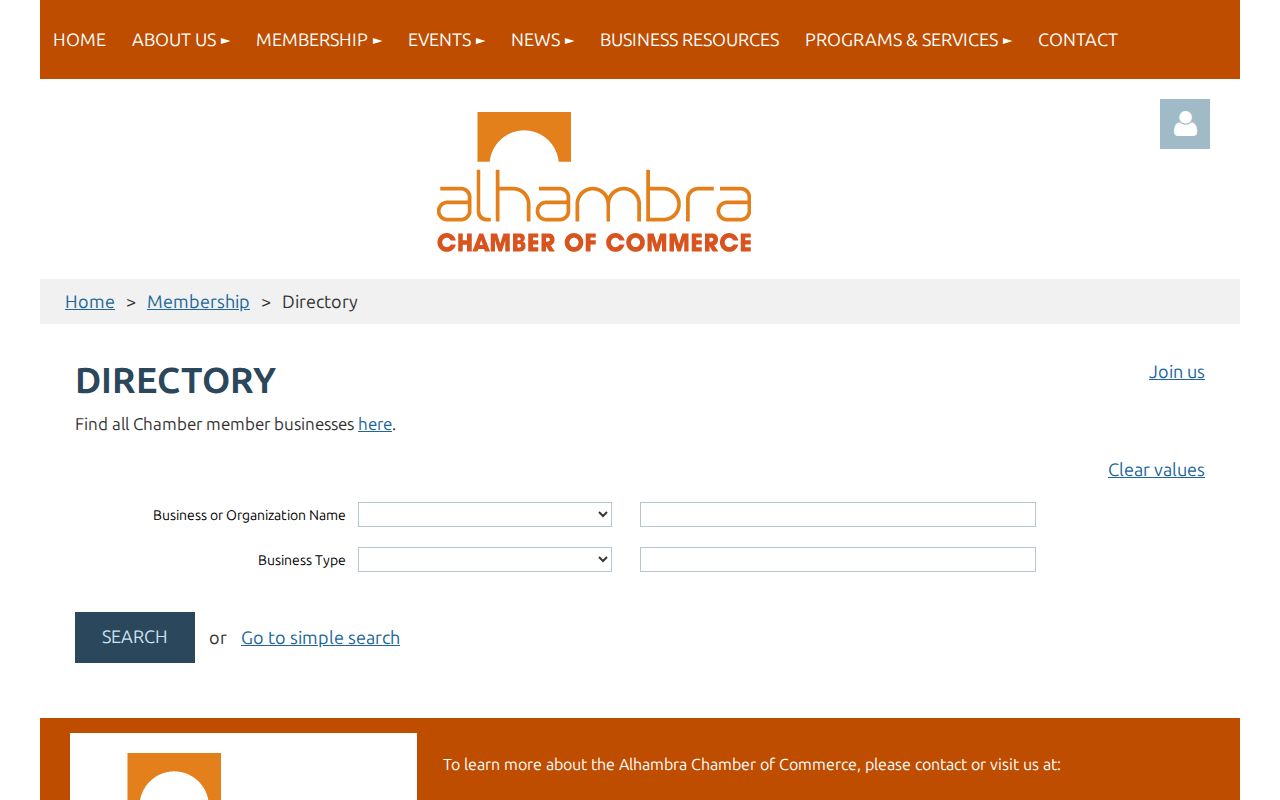
The Chamber capture shows a business affiliation source, not a household city directory.
Use the local listing to generate a question, then confirm the relevant entity or license with its official custodian.
NARA's Alhambra Directory Inventory
The National Archives circa-1930 city-directory inventory includes an Alhambra-area directory reference. NARA Riverside's genealogy channel also points to census, land, naturalization, and federal-court material. These records broaden the city directory search beyond the local shelves, but the inventory itself does not mean a digitized page or full Alhambra run is available online.
Use the inventory to identify a likely repository and time frame. Then ask whether the item is on site, at a partner, restricted, or available only as a catalog description. A directory name still needs a page image or a second record before it can support a household conclusion.
The NARA circa-1930 directory inventory supplies the repository lead.
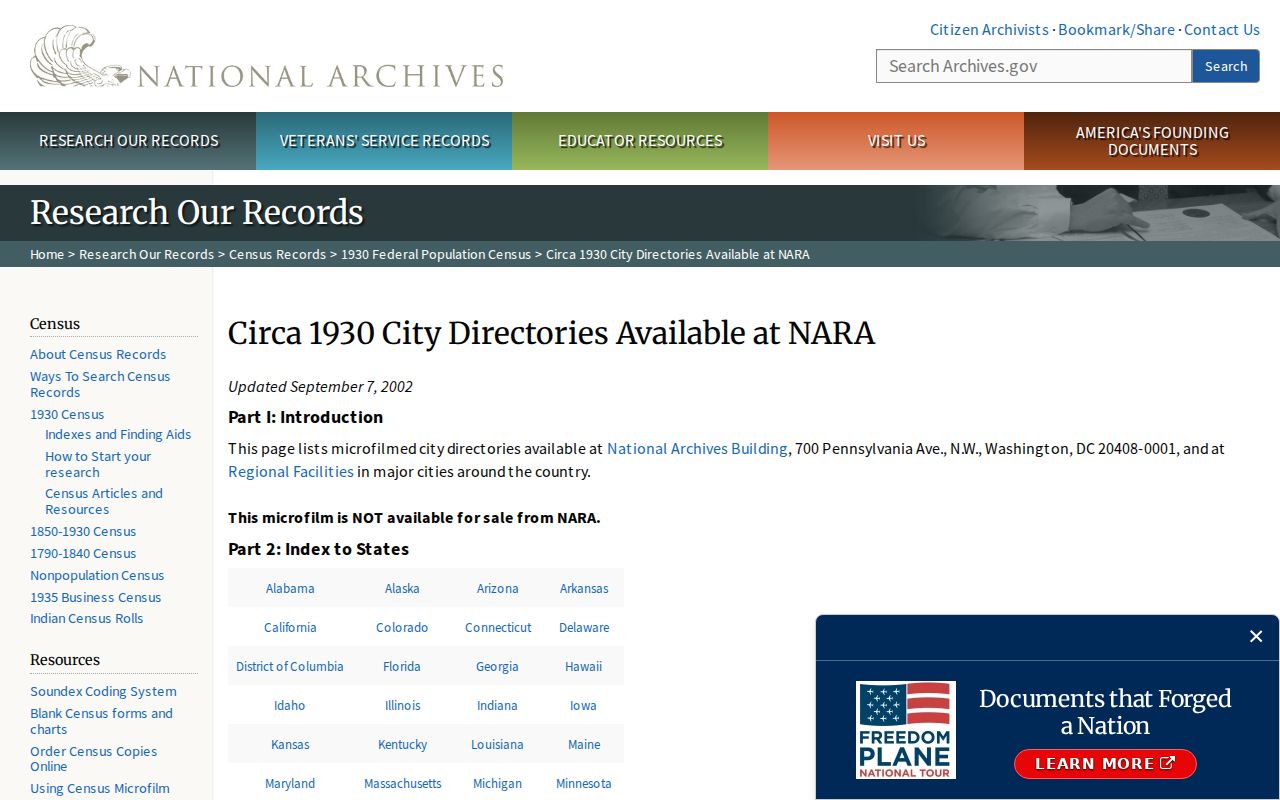
The federal inventory gives the historical directory trail a repository-level lead, while the local library and Society provide the most direct Alhambra shelf access.
The NARA Riverside genealogy channel supplies the census and land context.
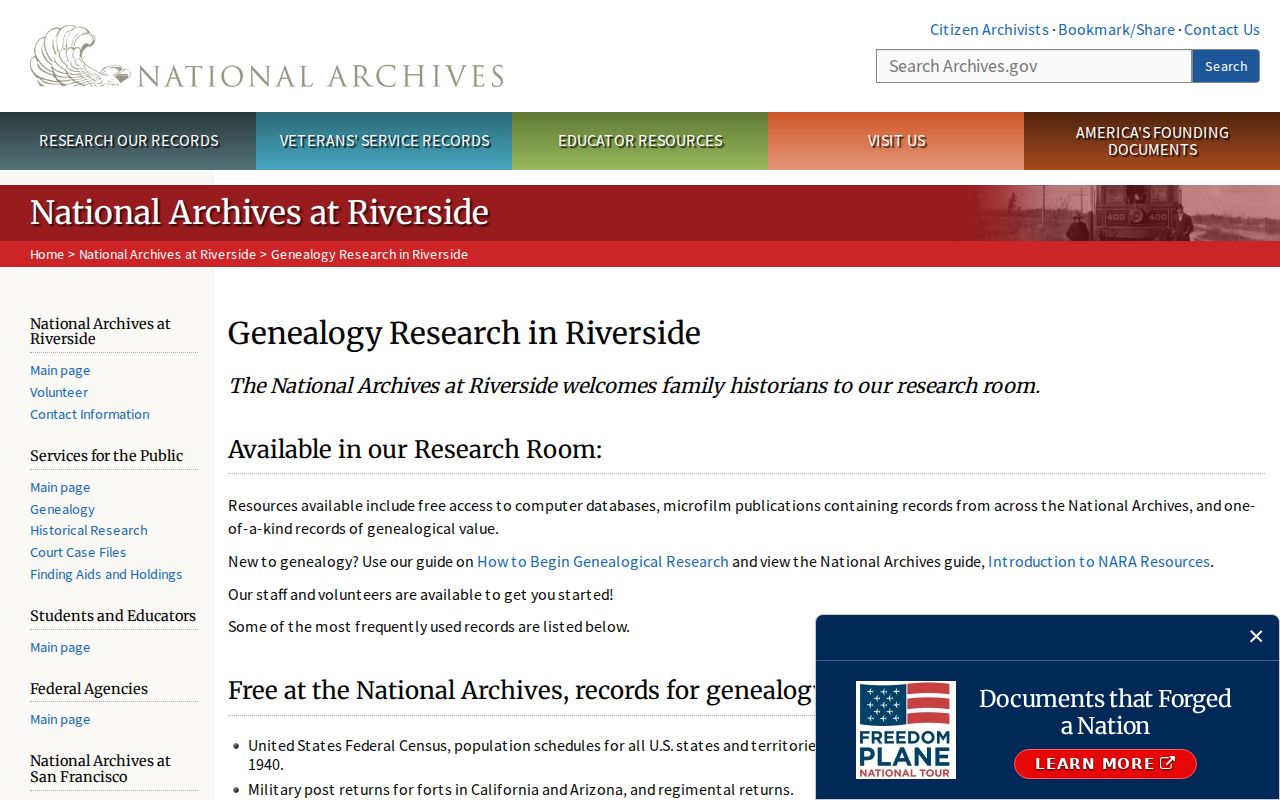
For a naturalization or census clue, use the archive's finding aids before planning a visit.
Alhambra Directory Geography Before Digital
Los Angeles County real-estate holdings begin in 1850-1851, before Alhambra incorporated on July 11, 1903 and became a charter city in 1915. The local directory evidence also predates incorporation: telephone books begin in 1882 and library directories in 1883. That is why a past Alhambra household may appear first in a county or private publication rather than a city file.
The community reading room began in 1900 and the city authorized a library in 1906. City pages conflict on whether the current building was completed in 2006 or opened in 2008. Preserve both statements if the date matters. A conflict in a history page is not a reason to invent a settled date.
Historical directories can also reflect the Airport Tract, Midwick, Ramona, and other subdivision-era labels. Use those place terms as search clues, then confirm the parcel or address in a dated source. Planning names, postal ZIPs, and legal descriptions are separate geography layers.
From Alhambra Directory to Current Leads
A historical city directory entry should end with a next record, not a leap to a current person. Start with the printed name and address. Compare the nearest census and newspaper record. If land ownership matters, translate the address to an AIN and follow the deed chain through the county's name-and-year index. If the goal is one living or recently documented person, use the Alhambra resident lookup workflow to check role, date, and identity anchors.
Current address-keyed work belongs in the Alhambra street directory, where parcel, permit, map, and deed access are kept distinct. The city directory remains the historical shelf: nonconsecutive years, publisher differences, telephone gaps, and onsite reading rules are part of the evidence.
Every city directory conclusion should name the volume year, collection, page or entry, and the companion source that made the match plausible. That small record of method is what keeps a family-history clue from becoming an unsupported identity claim.